
How should I choose a camping style? What suits me? Understand four types at a glance.
Do you also want to get close to nature and escape the city during holidays? Camping has definitely become one of the most popular outdoor activities in recent years. But did you know that there are actually different forms of camping? From simple tent camping to comfortable glamping, challenging backcountry camping, and spontaneous RV camping, each has its own characteristics and target audience. This article will help you understand these four types of camping, summarize their pros and cons, and provide information on location choices and important considerations for camping.
I. Four Common Types of Camping
Camping is not just one type; there are options ranging from easy to advanced. Here are four of the most common camping methods to help you find the ideal one for you.
1. Tent Camping
This is the most common form of camping. First, you book a managed campsite that has electrical systems, bathroom facilities, and parking spaces. Then, you drive directly to the camping location, set up your tent, and prepare your camping gear.
2. Glamping (Glamorous Camping)
The campsite provides services such as tents, beds, and specialty meals. In recent years, many have also favored small cabins as an alternative to tents, allowing for a completely hassle-free experience without the need to bring any gear, making it as easy and simple as staying in a hotel.
3. Wild Camping
Camping in the wild without any facilities (such as in mountains, forests, or by rivers) requires setting up your own campsite and bringing all camping gear, including food, power equipment, and tents. This type of camping often involves choosing more challenging environments, which tests the camper's survival skills and equipment handling abilities.
d. RV Camping
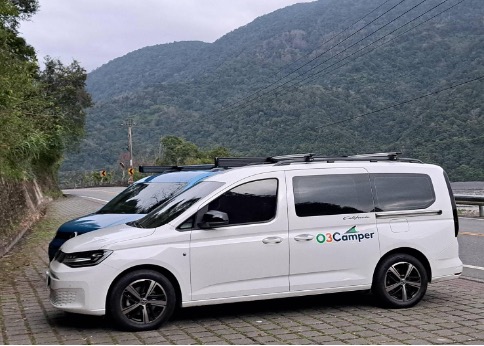
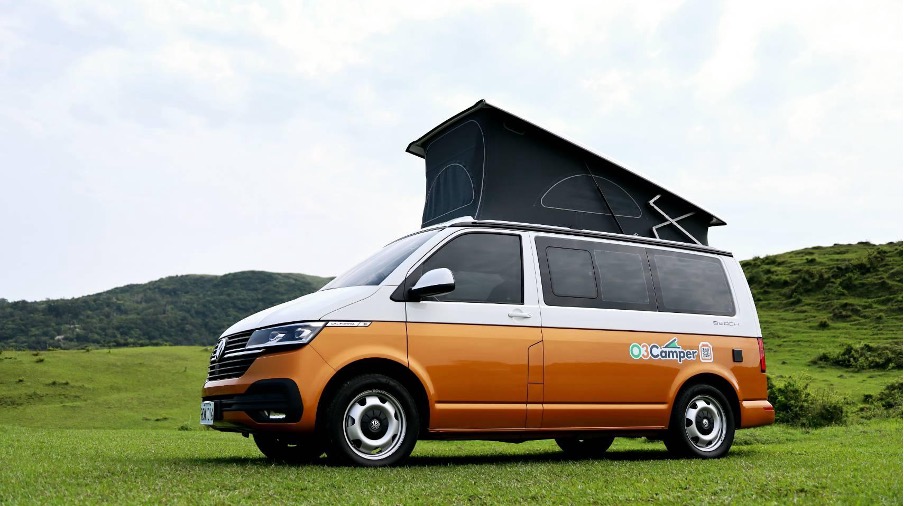
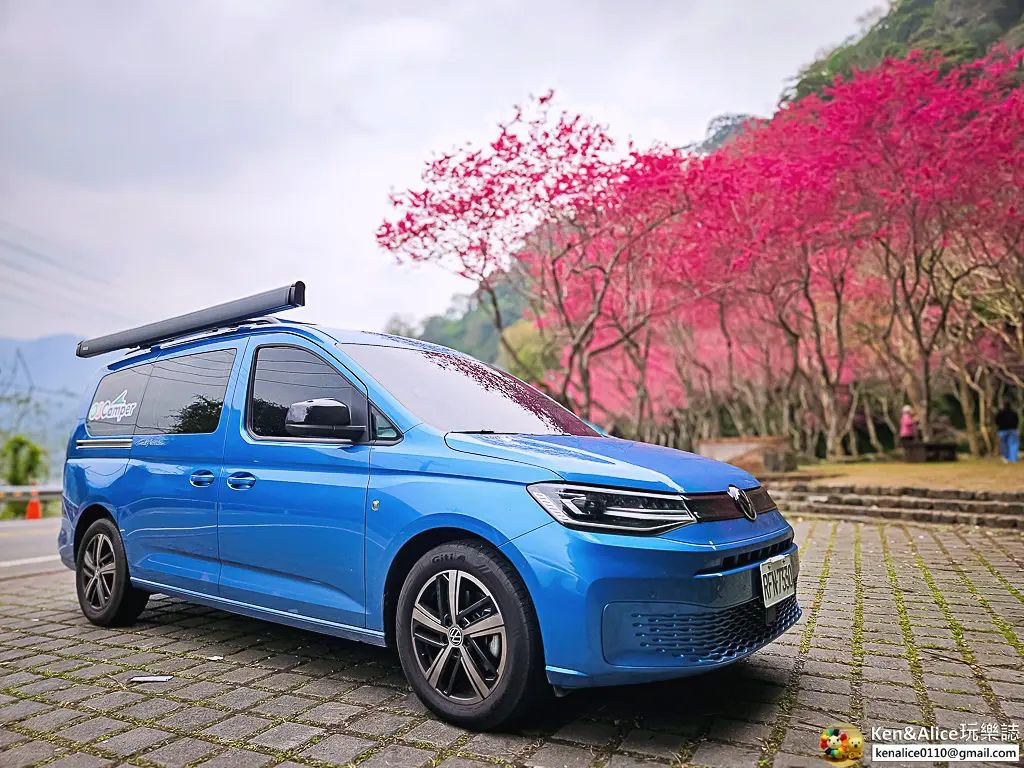
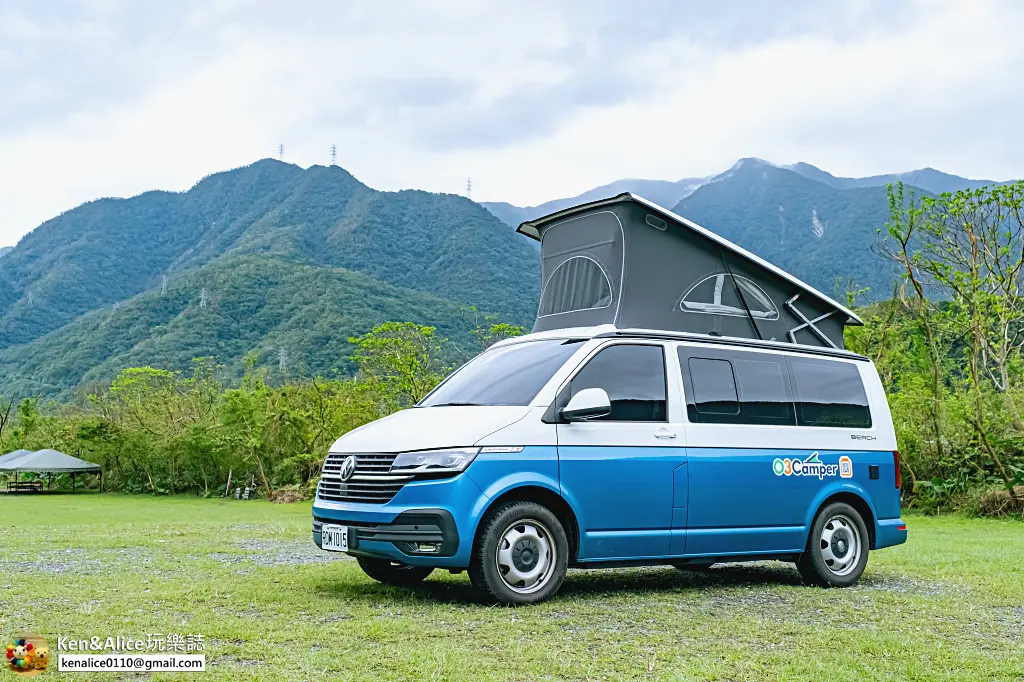
Also known as "car camping," this involves using an RV as a mode of transportation, offering high mobility and flexibility. It combines a vehicle with living amenities, meeting the needs for spontaneous travel and stopping whenever desired. RVs are typically well-equipped, allowing campers to sleep directly in the vehicle, making it as comfortable as being at home.
If you want to experience renting an RV, we currently have a limited-time promotional price available, making it perfect for a first-time camping experience.
II. Comparison of the Advantages and Disadvantages of Camping Styles and Suitable Groups
Different camping styles offer unique experiences and requirements. I've organized a comparison table to help you plan the most suitable camping method based on your interests, experience, and travel budget.
| Camping Type | Advantages | Disadvantages | Suitable Groups |
|---|---|---|---|
| Campsite Camping | High autonomy Lower cost Strong experiential feeling |
Requires personal equipment, more items to carry | Family with children |
| Glamping (Glamorous Camping) | No need for equipment High comfort level No tent setup required |
Higher cost Lacks the fun of hands-on activities |
Beginners People who dislike hassle Couples traveling together |
| Wild Camping | Strong outdoor experience Away from crowds |
High risk (requires professional knowledge and experience) Inconvenient restroom access |
Experienced campers Outdoor activity enthusiasts who enjoy challenges |
| RV Camping | High mobility and flexibility More comfortable and safe |
Higher cost Limited parking space |
Yearning for a lifestyle of spontaneity and the ability to stop whenever desired |
III. Choosing Camping Locations and Important Considerations
Choosing the right camping location can significantly enhance the camping experience, while selecting the wrong one can pose serious safety risks. This section will explain how to choose a camping site and the safety rules that need to be understood.
1. Choosing a Camping Location
- It is essential to choose a legal and safe campsite to ensure a worry-free and secure experience.
- If there are family activities, try to choose a flat area for setting up the tent, and having a water play area and playground nearby is a big plus.
- Remember to check for supply stations and gas stations near the campsite.
- Do not set up camp near streams, slopes, or cliffs.
2. Important Notes
- Check the weather conditions in advance to avoid departing during typhoons or heavy rain, and be prepared with equipment to handle unstable weather.
- It is recommended to familiarize yourself with basic first aid procedures and to prepare a basic first aid kit and medications.
- Maintain a safe distance between the campfire area and the tent, and do not light a fire inside the tent.
- Use sealed containers to store food to prevent spoilage and to avoid attracting animals.
- If you choose to drive a camper van, be sure to check the battery, brakes, water tank, and electrical system for any abnormalities before hitting the road.
Different camping styles each have their own charm and specific safety considerations. Whether you choose the easy-going glamping or the adventurous backcountry camping, it's essential to anticipate risks and prepare thoroughly in advance. This way, you can truly relax and enjoy your vacation, returning to work energized after the holiday.
Further reading
Let's Go Camping: Top 10 Campgrounds
[Guide] A Complete Beginner's Guide to Camper Van Trips: What's the Difference Between Car Camping, RV Parking, and Glamping? How to Rent? How to Enjoy?
"03Camper"
- Address: No. 449-23, Section 6, Chengde Road, Beitou District, Taipei City
- Phone: 02 2822 6969
- Business hours: 09:00-17:00